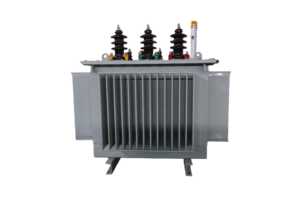
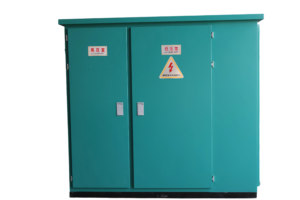
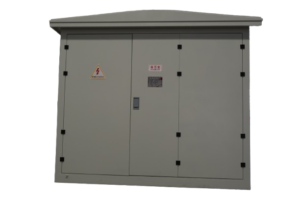
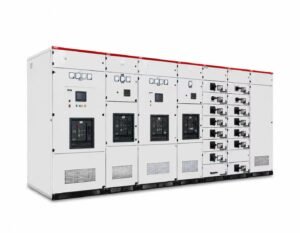
Switchgear

Electrical switchgear regulates, protects, and isolates a power system with a variety of controls housed in a metal enclosure. It’s a vital system in industries that experience electrical faults or those that need to regularly de-energize equipment for maintenance, such as industrial environments and electrical utilities.Switchgear contains fuses, switches, and other power conductors. However, circuit breakers are the most common component found in switchgear. During an electrical fault, a circuit breaker will sense the anomaly and interrupt the power flow, effectively limiting damage to the system.

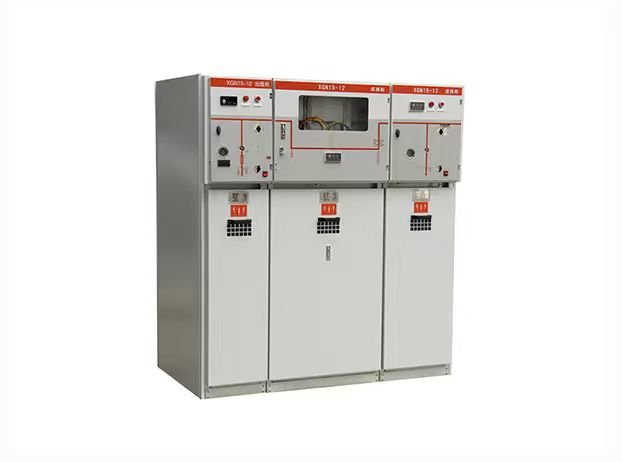
High Voltage Switchgear

High-voltage switchgear refers to the electrical products used in power system power generation, transmission, distribution, power conversion and consumption to play the role of on-off, control or protection, with a voltage level of 3.6kV~550kV, mainly including high-voltage isolation switches and grounding switches, high-voltage load switches, high-voltage automatic reclosing and sectionalizers, high-voltage operating mechanisms, high-voltage explosion-proof power distribution devices and high-voltage switchgears.

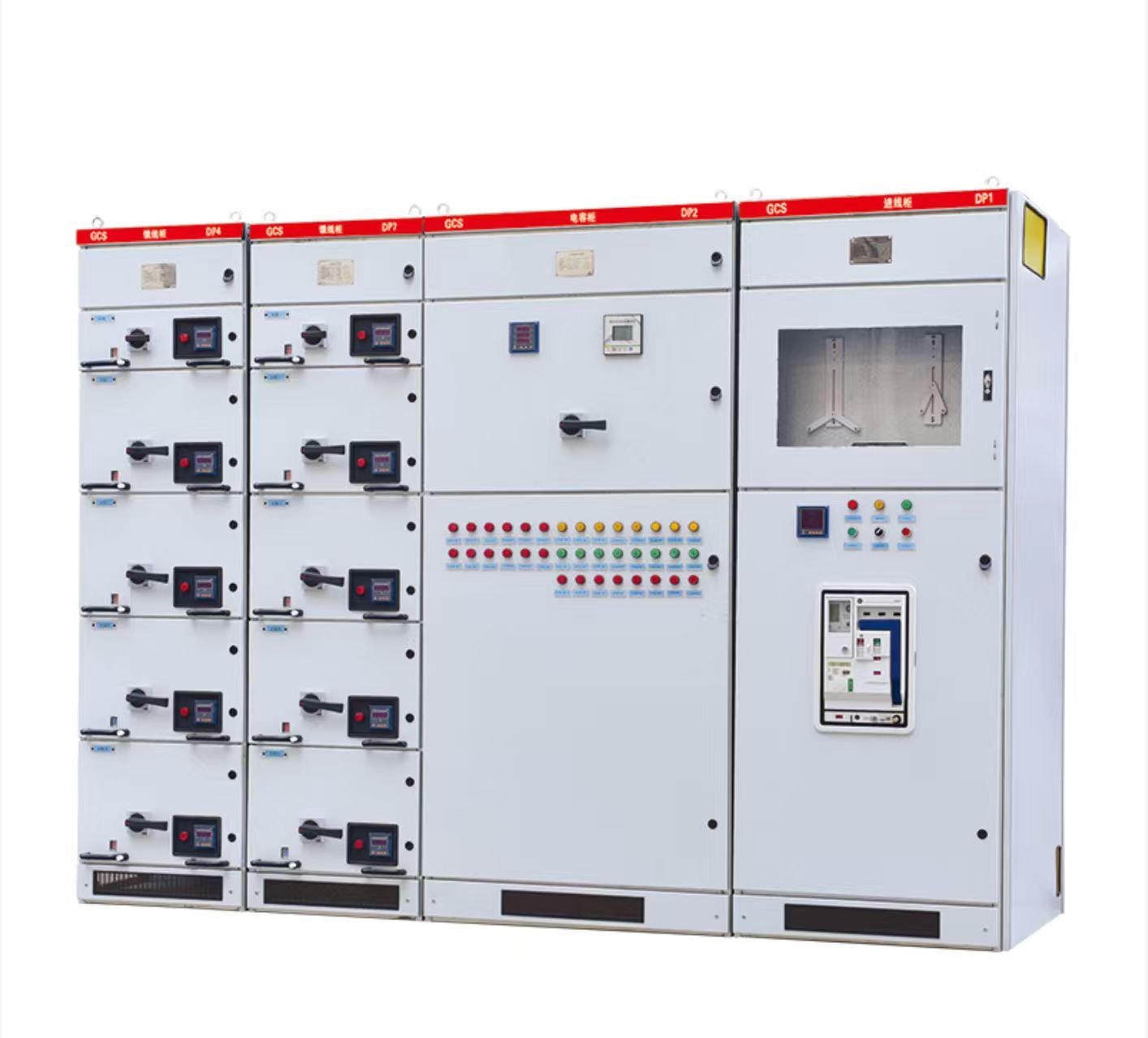
Low Voltage Switchgear

Electrical switchgear refers to a centralized collection of circuit breakers, fuses and switches (circuit protection devices) that function to protect, control and isolate electrical equipment. The circuit protection devices are mounted in metal structures. A collection of one or more of these structures is called a switchgear line-up or assembly.Switchgear is commonly found throughout electric utility transmission and distribution systems as well as in medium to large sized commercial or industrial facilities. Standards for electrical switchgear are defined by IEEE in North America and by IEC in Europe and other parts of the world.

Other Products