

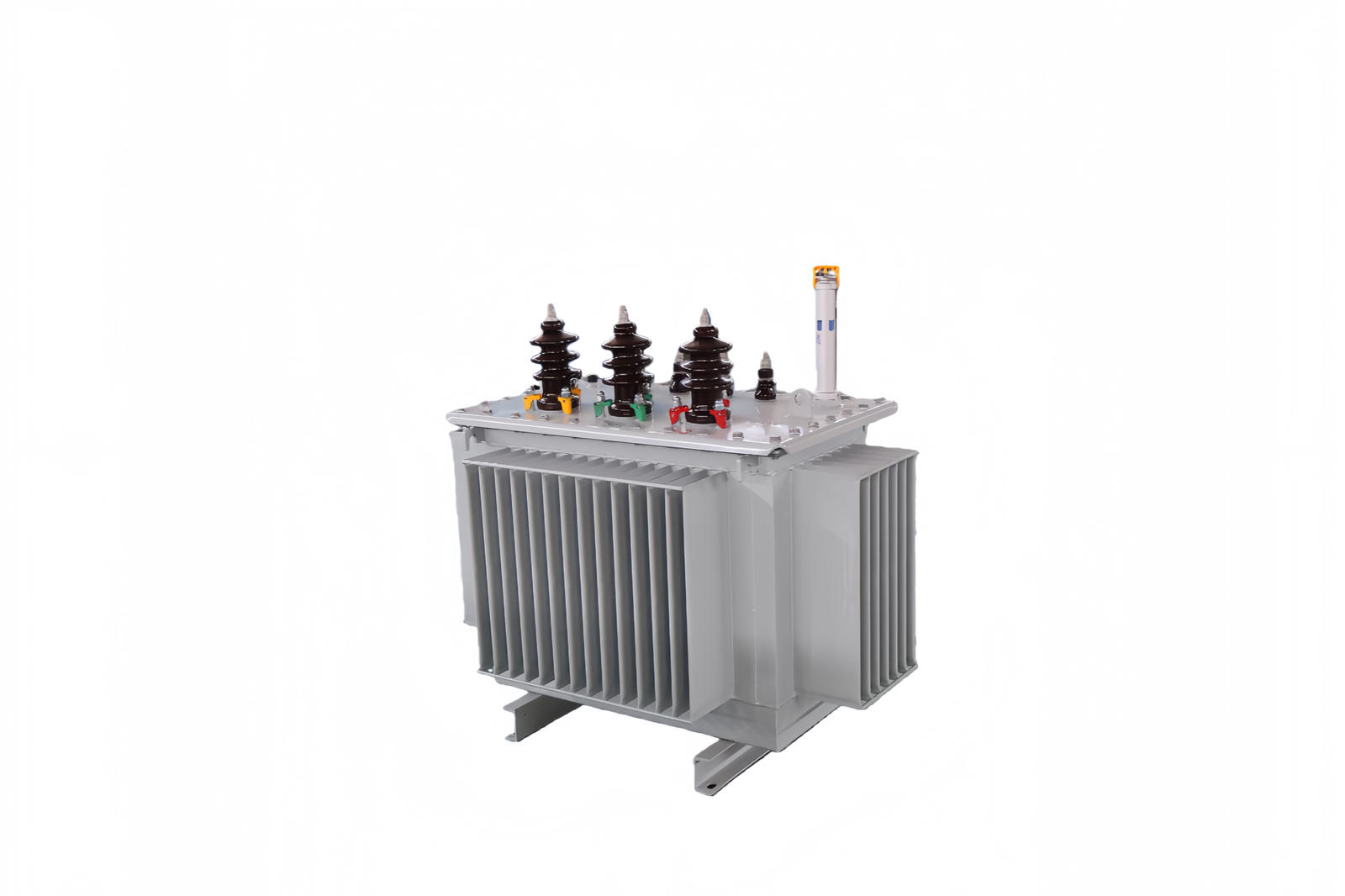
Distribution Transformer
Distribution transformers are foundational equipment for power distribution systems. They professionally reduce grid voltage to match on-site power usage demands, featuring low energy consumption and high durability. With superior efficiency and stable performance, they effectively reduce power loss in operation. Their excellent reliability and adaptability are critical to maintaining robust grid stability, making them essential components of modern power infrastructure.
Product Introduction
Product Introduction
As key equipment in power systems, distribution transformers bridge high‑voltage power transmission and low‑voltage power distribution. They reduce grid voltage to meet local load requirements and ensure reliable power supply for civil and industrial electricity users throughout the distribution network.
At their core, distribution transformers operate on the principle of electromagnetic induction. They consist of primary and secondary windings wound around a laminated iron core. When alternating current flows through the primary winding, it induces a magnetic field in the core, which, in turn, induces a voltage in the secondary winding. By varying the number of turns in each winding, distribution transformers can efficiently step down or step up the voltage as needed.
The primary function of distribution transformers is to reduce the voltage from the transmission level, typically ranging from thousands to hundreds of thousands of volts, to levels that are safe and practical for distribution, commonly 240 or 415 volts for residential and commercial use. This voltage reduction minimizes energy losses and enhances the efficiency of the distribution system.
Distribution transformers come in various configurations and sizes, tailored to meet the specific requirements of different applications and load profiles. They can be pole-mounted for outdoor use or pad-mounted for underground installations. Additionally, they may utilize different cooling methods, such as oil-immersed or dry-type designs, depending on factors like environmental conditions and space constraints.
In essence, distribution transformers play a crucial role in ensuring the reliable and efficient delivery of electricity to end-users. By stepping down voltages and maintaining a stable supply, these transformers enable the safe and widespread distribution of electric power, supporting countless aspects of modern life and driving economic growth and development.
At their core, distribution transformers operate on the principle of electromagnetic induction. They consist of primary and secondary windings wound around a laminated iron core. When alternating current flows through the primary winding, it induces a magnetic field in the core, which, in turn, induces a voltage in the secondary winding. By varying the number of turns in each winding, distribution transformers can efficiently step down or step up the voltage as needed.
The primary function of distribution transformers is to reduce the voltage from the transmission level, typically ranging from thousands to hundreds of thousands of volts, to levels that are safe and practical for distribution, commonly 240 or 415 volts for residential and commercial use. This voltage reduction minimizes energy losses and enhances the efficiency of the distribution system.
Distribution transformers come in various configurations and sizes, tailored to meet the specific requirements of different applications and load profiles. They can be pole-mounted for outdoor use or pad-mounted for underground installations. Additionally, they may utilize different cooling methods, such as oil-immersed or dry-type designs, depending on factors like environmental conditions and space constraints.
In essence, distribution transformers play a crucial role in ensuring the reliable and efficient delivery of electricity to end-users. By stepping down voltages and maintaining a stable supply, these transformers enable the safe and widespread distribution of electric power, supporting countless aspects of modern life and driving economic growth and development.
Product Parameter
| Parameter | Value |
| Classification | Single-Phase Distribution Transformer Three-phase Distribution Transformer |
| Rated Voltage | 35-750KV (Special Are available on request) |
| Rated Capacity | 0.5-5000KVA (Varies by Model) |
| Frequency | 50/60HZ (as specified) |
| Material | Aluminum or Copper |
| Vector Group | Dyn11/Dyn5 (Special Are available on request) |
| Insulation Class | F / H |
| Application | BESS, Datacenter, Industry, Renewable energy, EV charging |
| Cooling Method | AN/AF (Natural air) |
| Standards | IEEE/ANSI, CSA |
| Certificate | UL, CUL, CSA, SGS |
Please note that the actual parameters may vary depending on the specific design and manufacturing details of each transformer model. For detailed specifications, please refer to the product data-sheet or technical documents provided by our company for each transformer model.
Product Feature
1.Distribution transformers realize bidirectional voltage step-up and step-down conversion. This core capability supports safe and efficient power distribution, reduces power attenuation in long-distance transmission, and guarantees that end-users receive power at standard and applicable voltage levels.
- Efficiency: Distribution transformers are designed to operate with high efficiency to minimize energy losses during the voltage transformation process. Efficient transformers contribute to energy conservation and help reduce operating costs for utilities and consumers.
- Insulation System: Distribution transformers feature robust insulation systems to ensure reliable operation and protect against electric breakdown. Proper insulation is essential for maintaining the integrity of the transformer and preventing safety hazards such as short circuits and fires.
- Cooling Mechanism: Transformers generate heat during operation, and effective cooling mechanisms are essential to dissipate this heat and maintain optimal operating temperatures. Distribution transformers employ various cooling methods, including oil-immersed cooling with radiators or heat exchangers, or dry-type cooling with air or natural gas.
- Compact Design: Many distribution transformers are designed to be compact and lightweight, making them suitable for installation in urban areas or areas with limited space. Compact transformers help optimize the use of available infrastructure and facilitate easier transportation and installation.
- Reliability: Reliability is a critical feature of distribution transformers, as they are essential components of electric distribution systems. High-quality materials, robust construction, and stringent quality control measures ensure that transformers can withstand various environmental conditions and operational stresses while maintaining consistent performance over their operational lifespan.
- Overload and Short-Circuit Protection: Distribution transformers are equipped with protective features to safeguard against overload conditions and short circuits. These may include built-in fuses, circuit breakers, or temperature sensors that automatically disconnect the transformer from the power source in case of excessive load or fault conditions.
- Remote Monitoring and Control: Some distribution transformers are equipped with advanced monitoring and control systems that enable remote monitoring of key parameters such as temperature, load, and voltage. These features facilitate proactive maintenance and troubleshooting, helping utilities optimize transformer performance and minimize downtime.
- Modern distribution transformers adopt lifecycle-oriented environmental design. With eco-friendly material application and upgraded energy efficiency technologies, they effectively reduce environmental pollution and resource waste. Full-process environmental control is implemented throughout manufacturing, operational service and scrapping stages to minimize overall ecological impact.
- Compatibility with Smart Grid Technologies: As power distribution systems evolve towards smarter, more interconnected grids, distribution transformers are being designed to be compatible with emerging smart grid technologies. This may include features such as communication interfaces for integration with grid monitoring and control systems, enabling enhanced grid management and optimization.
Applications
Distribution transformers find application in various sectors and settings within electric power systems. Some key applications include:
- As core equipment of power distribution systems, distribution transformers convert high transmission voltage into usable low voltage for local power supply. Installed at substations and distribution points, they serve as the key power supply terminal for civil, commercial and industrial loads.
- Residential Areas: Distribution transformers play a crucial role in supplying electricity to residential areas, powering homes, apartments, and other dwellings. They ensure that electricity is delivered safely and reliably to meet the demands of households for lighting, heating, cooling, and other domestic appliances.
- Commercial Buildings: Distribution transformers are used in commercial buildings, including offices, retail stores, and public facilities, to provide electricity for lighting, HVAC (heating, ventilation, and air conditioning), computing equipment, and other electric loads. They support the operation of various businesses and services in urban and suburban areas.
- Industrial Facilities: Industrial facilities rely on distribution transformers to power machinery, equipment, and processes essential for manufacturing, production, and processing operations. These transformers are often customized to meet the specific voltage and load requirements of industrial applications, such as factories, refineries, and manufacturing plants.
- Utilities and Power Companies: Distribution transformers are utilized by utilities and power companies to facilitate the distribution of electricity to their customers. They form part of the utility infrastructure and are strategically deployed across the distribution network to ensure reliable and efficient power delivery.
- Renewable Energy Integration: Distribution transformers play a role in integrating renewable energy sources, such as solar photovoltaic (PV) systems and wind turbines, into the electric grid. They help convert the variable and often higher-voltage output from renewable energy sources to levels compatible with the grid and local distribution systems.
- Rural Electrification: Distribution transformers are deployed in rural and remote areas to extend electricity access and support rural electrification initiatives. They enable the provision of essential services, such as lighting, communication, healthcare, and education, to underserved communities, contributing to socioeconomic development and poverty alleviation.
- Infrastructure Development: Distribution transformers are essential components of infrastructure development projects, including urbanization, industrialization, and urban renewal initiatives. They support the expansion and upgrading of electric distribution systems to meet growing demand and accommodate evolving technological requirements.
- Emergency and Backup Power Systems: Distribution transformers may be integrated into emergency and backup power systems to provide reliable electricity supply during grid outages or emergencies. They ensure the continuity of critical services and operations in sectors such as healthcare, telecommunications, and public safety.
- Distribution transformers improve system energy efficiency by lowering power losses during electricity distribution. The adoption of high-efficiency transformer models and intelligent monitoring and control systems minimizes invalid energy consumption and further optimizes the energy utilization efficiency of power distribution networks.
Shipping and Serving
We ship goods by sea from Shanghai or Ningbo Port normally.Samples will be produced and fully inspected before bulk production and delivery.We accept OEM & ODM orders and can imprint your brand logo on items.
Our technical and sales teams will design exclusive schemes according to your drawings and parameter requirements.The minimum order quantity is 1 piece, with 24 months of after-sales guarantee covered.We guarantee quick feedback and premium service for every partner.
Our technical and sales teams will design exclusive schemes according to your drawings and parameter requirements.The minimum order quantity is 1 piece, with 24 months of after-sales guarantee covered.We guarantee quick feedback and premium service for every partner.
Other Products
Oil Immersed Transformer
read more
Dry Type Transformer
read more
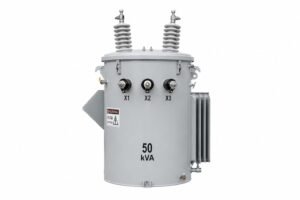
Other Transformer
read more
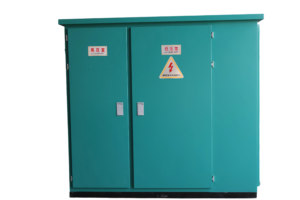
Box Type Substation
read more
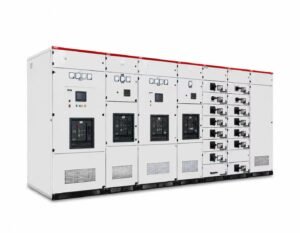
Switchgear
read more