

Electric Transformer
Power transformers are critical parts of power grids that support efficient energy delivery and allocation. They conduct voltage transformation to satisfy different operational needs throughout the distribution system, restrain voltage instability, and supply consumers with constant, secure electricity.
Often overlooked yet essential, transformers sustain normal power supply and energize modern living. Their outstanding reliability, efficiency and flexible applicability grant them irreplaceable value in power engineering.
Product Introduction
Product Introduction
In electrical engineering applications, transformers are irreplaceable key apparatus widely deployed throughout global power grids to support energy delivery, allocation and usage.
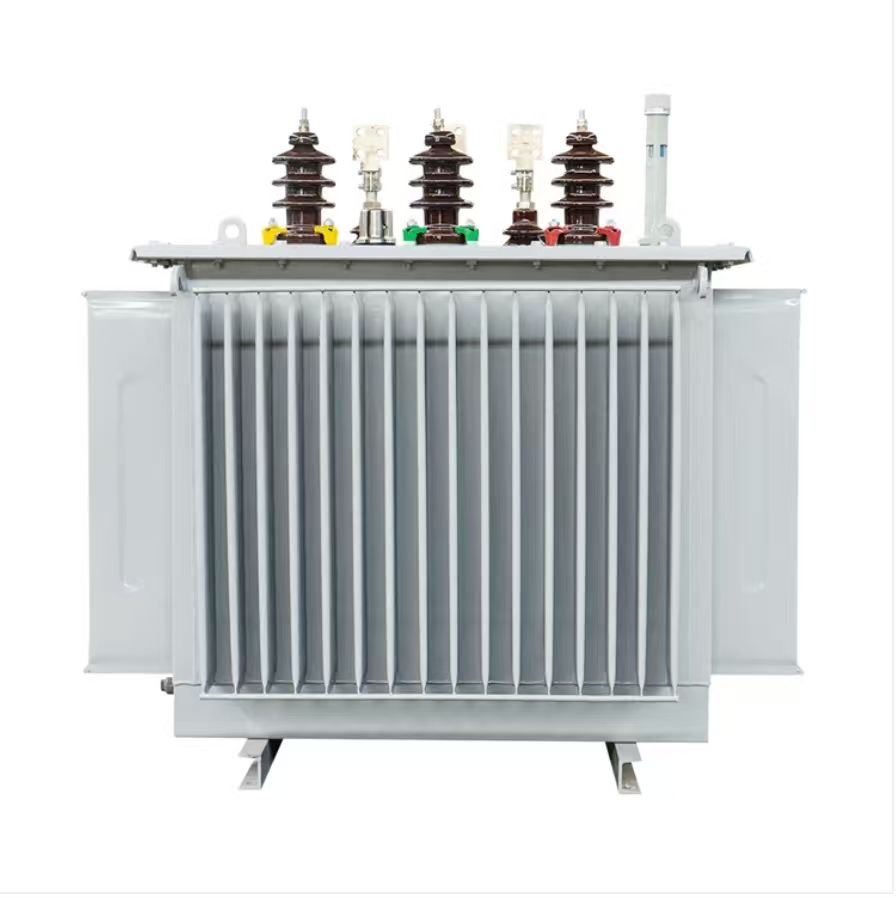
Their core function is efficient cross-circuit energy transmission via voltage conversion: boosting voltage for long-distance overhead line transportation, and reducing voltage to meet the power supply requirements of terminal loads.This ability to alter voltage levels facilitates the efficient transfer of electricity through electric grids. A typical electric transformer consists of two or more coils of wire, known as windings, wound around a laminated iron core. The winding connected to the voltage source is known as the primary winding, while the winding connected to the load is called the secondary winding. The core provides a low-reluctance path for the magnetic flux generated by the alternating current passing through the windings, enabling efficient energy transfer. Power transformers are indispensable components of electric infrastructure, facilitating the reliable and efficient transmission of electric energy across vast distances. They play a vital role in supporting economic development, industrial growth, and societal advancement by ensuring a steady supply of electricity to meet the demands of modern life.<br>In summary, electric transformers are fundamental devices in electric engineering, enabling the efficient transfer of electric energy across electric systems. Their ability to step up or step down voltage levels is essential for maintaining the reliability and stability of electric grids, making them indispensable assets in modern society.
Product Parameter
Product parameters for electric transformers typically include various specifications and characteristics that define their performance and suitability for specific applications. Here’s a list of common parameters:
| Parameter | Value |
| Winding Type | Copper (standard)/ Aluminum (optional) |
| Operating Frequency | 50 Hz or 60 Hz (as specified) |
| Insulation Class | H (180°C rise)/ N (220°C rise) (select one based on requirements) |
| Cooling Method | ONAN, OFAF, ONAN/ONAF (select one or combination based on requirements) |
| Protection Features | Thermal Overload Relay, Differential Protection Relay, Buchholz Relay, Top and bottom oil level indicators, Pressure Relief Device (PRD) |
| Warranty | 2 years or 24 months |
| Certifications and Standards | IEC 60076 Compliant, NEMA TS1/TS2/TS3 (if applicable), ISO 9001 Quality Management System, Custom standards upon request (e.g., UL, CE) |
The capacity of electric transformers can range from a few kilovolt-amperes for small distribution transformers to several hundred megavolt-amperes for large power transformers used in transmission substations. The specific capacity requirements depend on the application, load characteristics, and system requirements of the electric network in which the transformer is installed.
Product Feature
Electric transformers possess various features that make them essential components in electric systems. Here are some key product features:
- Compact Design: Many electric transformers feature a compact design to minimize space requirements and facilitate installation in constrained environments, such as substations or industrial facilities.
- Multiple Tap Configurations: Some electric transformers are equipped with multiple taps on the primary winding, allowing for adjustment of the voltage ratio to accommodate varying input voltages or load conditions.
- Low Noise Operation: Noise reduction features, such as specialized core designs and insulation materials, are incorporated into power transformers to minimize acoustic emissions and ensure quiet operation.
- Voltage Transformation: electric transformers are designed to change the voltage level between the primary and secondary winding, enabling efficient transmission and distribution of electric energy across different voltage levels.
- High Efficiency: Modern electric transformers are engineered for high efficiency, minimizing energy losses during voltage conversion and ensuring optimal utilization of electric electricity.
- Reliability and Durability: electric transformers are built to withstand demanding operating conditions, with robust construction, high-quality materials, and comprehensive insulation systems ensuring long-term reliability and durability.
- Safety Features: Transformers are equipped with safety features to protect against overcurrent, overvoltage, and short-circuit conditions, safeguarding both the transformer itself and the connected electric system.
- Cooling Systems: Efficient cooling systems, such as oil-immersion or forced-air cooling, dissipate heat generated during operation, maintaining optimal operating temperatures and extending the lifespan of the transformer.
- Environmental Compliance: power transformers are designed to meet stringent environmental regulations and standards, with features such as eco-friendly insulation materials and reduced environmental impact during manufacturing and operation.
- Remote Monitoring and Control: Advanced power transformers may feature built-in monitoring and control systems, allowing operators to remotely monitor performance parameters, detect faults, and implement preventive maintenance measures.
- Modular structure is adopted in part of our transformers. The split components facilitate convenient maintenance, overhaul and retrofitting, lengthen equipment service lifespan and realize adaptive adjustment against updated operating conditions.
Integrated with the above advantages, the transformers maintain high-efficiency, stable and secure operation, guaranteeing continuous power delivery for multi-industry diversified application scenarios.
Applications
Electric transformers have a wide range of applications across various sectors due to their ability to efficiently transfer electric energy between different voltage levels. Some common applications include:
- In long-distance power delivery links, transformers undertake key tasks to transmit electric power from generating stations to distribution substations. By executing voltage boosting, they achieve economical power transportation; subsequent voltage reduction enables power supply to terminal users.
- Distribution Networks: electric transformers are used in distribution networks to further step down voltage levels for local distribution to residential, commercial, and industrial consumers.
- Industrial Application Scenarios:ndustrial Application ScenariosPower transformers serve as essential power supply equipment for industrial heavy machinery, production facilities and processing lines. Stable power output ensures continuous normal operation of manufacturing systems without downtime.
- Renewable Energy Integration: electric transformers are essential for integrating renewable energy sources, such as wind and solar, into the grid. They facilitate the transmission of electricity generated from renewable sources to the main grid.
- Electric Railways: electric transformers are used in electric railways to step down high-voltage overhead lines to levels suitable for traction motors on trains. They ensure efficient electric distribution and help in the smooth operation of railway systems.
- Mining Operations: electric transformers provide electric electricity to mining operations for various tasks, including electricity drilling equipment, conveyor belts, and ventilation systems. They are crucial for maintaining productivity and safety in mining environments.
- Oil and Gas Industry: In the oil and gas sector, power transformers are used to provide electricity for drilling operations, refining processes, and pipeline transportation systems. They support critical infrastructure and operations in the industry.
- Data Centers: electric transformers are employed in data centers to step down high-voltage utility electricity to levels suitable for distribution within the facility. They ensure reliable and uninterrupted electric supply to servers and other equipment.
- Utilities and Grid Infrastructure: electric transformers are integral components of utility infrastructure and grid systems, supporting voltage regulation, load balancing, and grid stability.
- Emergency Backup Systems: Some facilities utilize electric transformers as part of emergency backup electric systems, ensuring continuity of operations during electric outages or emergencies.
These are just a few examples of the diverse applications of power transformers. Their versatility, reliability, and efficiency make them indispensable components in modern electric systems across industries and sectors.
Shipping and Serving
We ship goods by sea from Shanghai or Ningbo Port normally.Samples will be produced and fully inspected before bulk production and delivery.We accept OEM & ODM orders and can imprint your brand logo on items.
Our technical and sales teams will design exclusive schemes according to your drawings and parameter requirements.The minimum order quantity is 1 piece, with 24 months of after-sales guarantee covered.We guarantee quick feedback and premium service for every partner.
Other Products
Oil Immersed Transformer
read more
Dry Type Transformer
read more
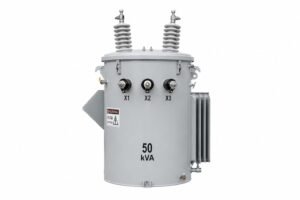
Other Transformer
read more
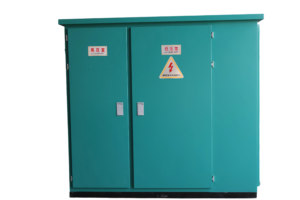
Box Type Substation
read more
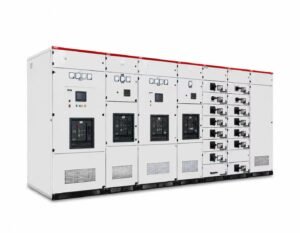
Switchgear
read more